
Beginner Tips for Composting at Home: A Simple Guide to Getting Started
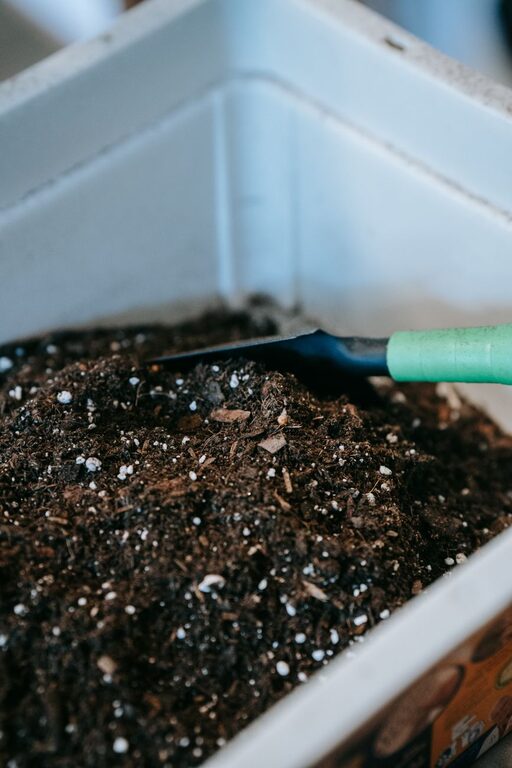
Composting is an excellent way to reduce household waste and create nutrient-rich soil for your garden. If you’re new to composting, it might seem a bit overwhelming at first, but with a few straightforward tips, anyone can start a successful compost pile or bin at home. This guide will walk you through the basics, helping you turn your kitchen scraps and yard waste into valuable compost.
What is Composting?
Composting is the natural process of recycling organic material, like food scraps and yard waste, into a dark, rich soil amendment. It helps improve soil health, retains moisture, and supports plant growth. Plus, composting reduces the amount of waste sent to landfills, making it good for the environment.
Benefits of Composting at Home
– Reduces kitchen and garden waste.
– Enriches soil naturally without chemical fertilizers.
– Saves money on soil amendments and fertilizers.
– Supports healthy plant growth.
– Helps reduce methane emissions from landfills.
Getting Started: Choosing Your Composting Method
Backyard Composting
If you have outdoor space, setting up a compost bin or pile in your yard is an easy way to compost. You can purchase a ready-made compost bin or build one from wood pallets.
Indoor Composting
For those with limited outdoor space, indoor composting is still possible. Options include:
– Worm composting (vermicomposting): Using worms to break down food scraps.
– Compost tumblers: Sealed containers that allow you to turn the compost easily.
– Bokashi bins: Fermenting food waste before composting.
Choose the method that fits your space and lifestyle.
What Can You Compost?
Knowing what to add to your compost helps it break down efficiently.
Green Materials (Nitrogen-Rich)
– Fruit and vegetable scraps
– Coffee grounds and filters
– Tea bags (check if compostable)
– Fresh grass clippings
– Plant trimmings
Brown Materials (Carbon-Rich)
– Dry leaves
– Straw or hay
– Shredded newspaper and cardboard
– Sawdust (untreated wood)
– Pine needles
What to Avoid
– Meat, dairy, and oily foods (can attract pests)
– Pet waste
– Diseased plants
– Coal or charcoal ash
– Invasive weeds or plants treated with pesticides
How to Build and Maintain Your Compost Pile
1. Layering
Start your pile with a layer of coarse materials like twigs or straw for drainage. Alternate between brown and green layers, aiming for about three parts brown to one part green. This balance helps maintain proper moisture and airflow.
2. Moisture
Keep your compost as damp as a wrung-out sponge. Too dry and decomposition slows; too wet and it becomes smelly.
3. Turning
Aerate your compost by turning it with a pitchfork or compost aerator every one to two weeks. This helps speed up decomposition and prevents foul odors.
4. Monitoring Temperature
A healthy compost pile heats up as microbes break down material. If the pile gets warm (between 130-160°F), it’s working properly. If it cools down, turning it can help restart the process.
Troubleshooting Common Compost Issues
– Bad smells: Usually caused by too much green material or excess moisture. Add more brown materials and turn the pile.
– Pile not heating: Add more green materials and turn to add oxygen.
– Pests: Avoid adding meat or dairy, and make sure your bin is secure.
– Slow decomposition: Chop or shred materials to speed up breakdown and maintain moisture and aeration.
Using Your Finished Compost
Your compost is ready when it looks dark, crumbly, and smells earthy. This can take anywhere from 3 months to a year depending on conditions.
Ways to Use Compost
– Mix it into garden beds to improve soil structure.
– Use as mulch around plants to retain moisture.
– Add to potted plants or container gardens.
– Topdress lawns to enrich grass roots.
Final Tips for Beginners
– Start small, especially if space or time is limited.
– Be patient; composting is a natural process that takes time.
– Learn from experience—each compost pile is unique.
– Don’t be afraid to experiment with different materials and methods.
– Consider joining local gardening or composting groups for advice.
Composting at home is an environmentally friendly habit that benefits your garden and reduces waste. By following these beginner tips, you can start turning everyday scraps into black gold for your plants. Happy composting!